Early Years and a Pianist’s Resolve
I picture a small boy in Roseville, fingers roaming across a keyboard as if searching for a map of sound. Robert Ringwald, known to most as Bob, was legally blind from childhood, yet he learned to navigate the world through tone and touch. Piano lessons began early. Curiosity flickered fast. By adolescence he had formed a first band and discovered the electric charge of live performance, the intimate conversation between player and room.
His blindness did not define limits. It rewired them. Club owners saw a teenager with adult poise at the keys. Fellow musicians saw a colleague with a musician’s ear and a promoter’s vision. I hear those early years like a walking bass line. Steady. Optimistic. Always pushing forward.
Building a Band, Building a Scene
In Sacramento, Bob Ringwald did not simply play jazz. He built a home for it. He led the Fulton Street Jazz Band with buoyant stride piano, crisp ensembles, and a devotion to traditional New Orleans style that felt both reverent and alive. Nights blurred into weeks of club dates. The repertoire grew. The sense of mission did too.
His influence widened when he helped launch the Sacramento Jazz Festival in the 1970s. A festival is a fragile creature. It demands logistics, money, volunteer zeal, and a city’s goodwill. Bob supplied that energy. He did it with charm and persistence. Eventually he was crowned the festival’s Emperor of Jazz, an honor that captured what the community already knew. This was a leader who embraced the magic of collective effort. He was a bandleader in every sense. Onstage and off.
The Family Stage
Behind the public persona stood a family that shared his love for music and embraced his appetite for connection. His wife, Adele, was his partner across decades of gigs, projects, and the daily choreography of a musician’s life. Their marriage reads like a set list of shared experiences. Travel. Late nights. Inside jokes. A steady tempo of dedication.
Children orbited their father’s music with warmth and candid humor. Life in a musical household means sound leaks into everything. Rehearsals in living rooms. Instruments leaning against walls. Laughter over dinner with the residue of the last performance still buzzing in the air. It is a chorus, not a solo.
Molly Ringwald and Her Children
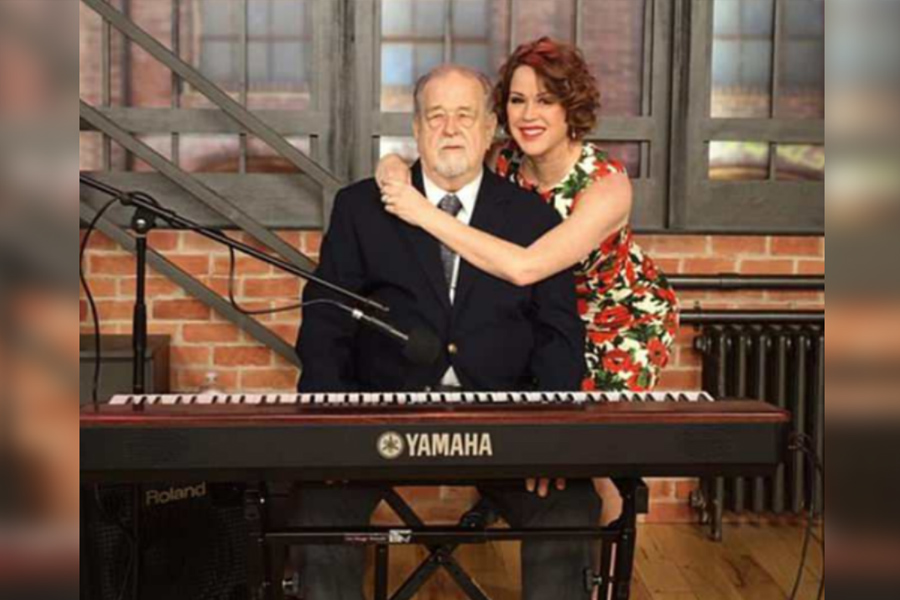
Bob’s most widely known child, Molly Kathleen Ringwald, stepped into public life as an actress, singer, and writer, and yet the thread that connects her to her father is music. She sang with his band as a child. She carried that rhythm into her own creative work. In interviews and public reflections, Molly has described her father’s humor, his generative spirit, and the texture of growing up with a pianist who aimed to make community as much as art.
Molly later built a life that integrated family and career, with her husband Panio Gianopoulos and their children. Mathilda Ereni brings her own creative spark. Twins Adele Georgiana and Roman Stylianos reflect the family’s double portion of curiosity. The legacy here is not a monument. It is a living rhythm. It moves through generations, adapting and renewing.
The Wider Ringwald Circle
Bob’s family extends beyond Hollywood headlines. His daughter Beth Ringwald Carnes has her own path, anchored by family ties and the quiet continuity that defines so many lives connected to music. His son Kelly Ringwald appears in obituary tributes as a survivor who keeps the family bond intact. His sister, Renée Angus, links the tree to shared childhood stories and the geography of origin.
Then there are the grandchildren beyond the widely recognized names. Obituaries mention several, including step grandchildren and a great grandson. The breadth of this family reminds me of jazz harmony. Multiple voices. Distinct timbres. A unifying chord.
Passions Beyond the Piano
I love how complex lives refuse the single label. Bob Ringwald was a pianist and bandleader, but he also lived happily at the intersection of radio and technology. He hosted a jazz program, a space where he could curate sounds and narrate the lineage of styles and players. He was a ham radio operator, drawn to Morse code and the romance of signals traced across the atmosphere. That detail charms me. It is the perfect metaphor for a musician. Listening for voices. Sending dispatches into the ether. Hoping the right ear answers.
His humor was legendary among friends. He curated email joke lists long before social timelines took over. He was the kind of person who could turn a greenroom into a family room, who knew that communal laughter is often the best warmup a band can get.
Humor, Community, and the Shape of Legacy
What remains is a portrait of a man who used music as hospitality. He welcomed people. He made space. He believed that jazz was not only repertoire, but also conversation and fellowship. The Fulton Street Jazz Band flourished because it had a gardener at the podium. The Sacramento Jazz Festival thrived because a city was invited to join the chorus.
I think of legacy as a melody carried from player to player. Bob’s life offered that melody. His family holds it now, each generation adding their own improvisations. His community hears it when old recordings spin or when a local band pulls up a tune that used to sit in his book. It is the sound of continuity. It is the sound of home.
FAQ
Who was Robert Ringwald?
Robert Bob Ringwald was a California born jazz pianist, bandleader, and radio host who became a central figure in Sacramento’s traditional jazz scene. He led the Fulton Street Jazz Band, promoted jazz tirelessly, and helped launch and sustain the Sacramento Jazz Festival.
How did his early blindness shape his music?
His blindness cultivated a deep listening practice and a tactile relationship with the piano. Rather than limiting him, it sharpened his sensitivity to tone, timing, and teamwork. It fostered resilience and an uncommonly strong musical ear.
What is the Fulton Street Jazz Band known for?
The Fulton Street Jazz Band specialized in traditional New Orleans style jazz, delivered with crisp ensemble work and spirited solos. Under Bob’s leadership, the band combined fidelity to the style with a welcoming stage presence that grew local audiences.
What role did he play in the Sacramento Jazz Festival?
He was an early organizer, headline performer, and year round advocate for the festival. His work helped transform it into a regional cultural anchor. In recognition of that leadership, he was honored as the festival’s Emperor of Jazz.
What is his connection to Molly Ringwald?
Molly Ringwald is Bob’s daughter. She performed with his band as a child, became an acclaimed actress and singer, and has often celebrated her father’s influence on her creative life and her sense of humor and community.
Who are other members of his immediate family?
Bob’s wife is Adele. His children include Molly, Beth Ringwald Carnes, and Kelly Ringwald. His sister is Renée Angus. His extended family includes grandchildren such as Mathilda Ereni, Adele Georgiana, and Roman Stylianos, along with additional grandchildren and a great grandson.
Did he have passions outside of performing?
Yes. He hosted a jazz radio program that showcased his love of curation and storytelling. He was also a licensed ham radio operator and Morse code enthusiast, a hobby that echoed his fascination with signals, communication, and connection.
Was he involved in any controversies?
No reputable accounts highlight controversies. His public reputation reflects a steady dedication to music, community, humor, and family.
Is there a reliable estimate of his net worth?
No. As a regional musician and promoter, his financial details were private and not documented in trustworthy public reports. His legacy rests in the music and the scenes he nurtured rather than in published figures.