A Young Voice Finding Its Shape
I first encountered the name Lyla Butler in the small but luminous corner of youth poetry, where winning words often bloom before they are widely seen. She presents herself publicly as a young poet and writer, active in contests and literary programs, and she maintains an author presence that highlights her poetry and a small book listing. It is the kind of early creative identity that feels both tentative and determined, like a sketch finding its lines before the ink sets.
Beyond the page, there is a playful, precocious streak in her media presence. As a child, Lyla hosted short interview clips under the banner Lylapalooza. The videos are charming, the sort of family-friendly projects that reveal both curiosity and comfort around creative adults. She asks questions, listens closely, and seems to enjoy the dance of conversation. That early instinct for asking and shaping stories feels of a piece with poetry. If you spend time with young writers, you recognize the look: observing, collecting, transforming. Lyla fits that mold.
Roots in Art and Music
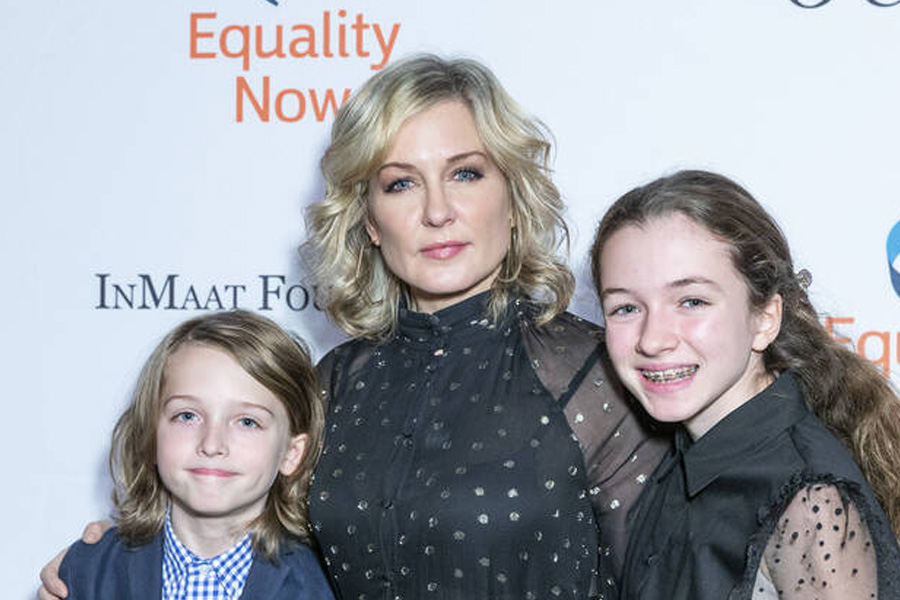
Families set the tone. In Lyla’s case, the creative current runs strong. Her mother is Amy Carlson, an actress known for roles in television dramas. Her father is Syd Butler, a musician and producer with a long-running presence in indie rock and a reputation for building music communities. This pairing of screen and stage, words and sound, creates a home environment where artistic practice feels ordinary and even expected. For a young writer, that can be a gift. It normalizes the idea that art is work and that work is joyful, difficult, and worthy.
Lyla has a younger brother, Nigel. Siblings shape you in ways that biographies often skip, and the public glimpses suggest a warm family unit. On the maternal side, Amy’s parents are Barbara and Robert Carlson. With them, you see the additional roots of Midwestern steadiness and academic curiosity that often thread through Amy’s own story. It is reasonable to imagine that Lyla’s sense of tradition and support extends to these grandparents, even if the day-to-day details remain private.
It is important to say what we do not know. Some extended family names circulate informally, yet many of those details do not have the same public clarity as her immediate family. Private relatives deserve privacy. Lyla’s public identity centers around her parents, her brother, and her own creative efforts. That is enough to tell the story of an artistic household where projects bloom and encouragement travels room to room.
Early Milestones and A Rising Profile
Lyla’s public record shows a growing list of youth-writing achievements. She has been recognized in poetry contests and in school-centered programs aligned with established literary organizations. That includes student poetry accolades and participation in well-known awards for young writers. These wins are often local and incremental, the stepping stones that help a new poet learn how to submit, how to revise, and how to handle the thrill and humility of winning and losing. I love this phase. It is sport and language. The muscle gets stronger.
Her author page presents poetry and a compact book listing, pointing to a voice that values craft and presentation. Titles and snippets suggest a style tuned to imagery and emotion, with a willingness to explore the personal. The infrastructure around her work feels careful and small-scale, an approach that tends to help young artists protect their process rather than chase early spectacle. The balance matters. You want enough visibility to encourage, not enough to overwhelm.
What Her Work Feels Like
If you try to describe a young poet’s writing without quoting it directly, you have to rely on the atmosphere around it. For Lyla, that atmosphere is attentive and spirited. Her projects imply that she likes to touch both language and conversation, and they suggest an appreciation for the interplay of words and performance. Poetry can be a lens and a lamp. Lyla seems to turn it gently, testing light on new subjects, maybe friends, maybe memory, maybe the passing seasons of school years.
Winning youth awards is not a guarantee of a lifelong career, but it is a signal. It means the work carries, at least in small rooms where peers and mentors read closely. It means she is learning the administrative side of art: deadlines, submissions, guidelines. Many writers never quite master those. Lyla is already practicing. The craft is in the poem. The wisdom is in the practice.
Family Presence and the Lylapalooza Spark
Those childhood interview clips deserve a second look. They form a thread between family life and public creation. Lyla interviewing her mother and musicians blends play with apprenticeship. You watch the formation of a host instinct, a subtle choreography that involves attention, ease, and timing. The closest metaphor I can find is a bright, small lighthouse. The beam moves, and you can feel the learning. It is not polished broadcast television. It is better. It is genuine.
Her social presence takes the same playful name and offers short snapshots and updates. It is modest, purposeful, and aware of boundaries. Young creators live inside the paradox of needing an audience while protecting themselves. Lyla’s approach leans conservative in a healthy way. She does the work, posts selectively, and lets the projects define the pace.
Boundaries, Privacy, and What Is Not Known
When a young person has a public profile, it is tempting to overreach. I resist that here. There are no credible net worth estimates for Lyla, and none should be expected. She is a student and a developing poet with small-scale achievements and personal projects. There is no public controversy attached to her name. That is good news and should remain so.
Some details remain uncertain in public spaces, including precise birth dates drawn from user-submitted pages and extended-family lists that circulate informally. I acknowledge the haze without trying to clear it by guessing. Privacy matters. The rise of young artists is best supported by gentle attention, reasonable celebration, and restraint.
FAQ
Who is Lyla Butler?
Lyla Butler is a young poet and writer who has been recognized in student and youth-writing programs. She has shared small interview projects and maintains a public author presence that highlights her creative work.
What is Lylapalooza?
Lylapalooza refers to the playful interview videos Lyla hosted as a child, as well as her social handle for sharing short project updates. The clips show her interviewing family and musicians, blending curiosity with an early knack for conversation.
Who are her parents?
Her mother is actress Amy Carlson. Her father is musician and producer Syd Butler. Together they represent a creative household that values performance, storytelling, and community.
Does Lyla have siblings?
Yes. Lyla has a younger brother named Nigel. Public glimpses suggest a supportive family dynamic.
Are her grandparents publicly known?
On the maternal side, Amy’s parents are Barbara and Robert Carlson. Those relationships reasonably make them Lyla’s maternal grandparents. Other extended relatives are not clearly documented in public sources and should be treated as private.
Has Lyla published any work?
She maintains an author page that presents her poetry and a small book listing. She has been recognized in youth-writing contests and awards programs that highlight student work.
What kind of writing does she do?
Her creative identity centers on poetry and prose with a focus on imagery and personal themes. Public projects suggest she enjoys experimenting with language and conversation, often using small, carefully produced formats.
Is there any controversy associated with her?
No. There is no reputable gossip or controversy associated with Lyla. Her public presence is positive and anchored in family, school, and creative practice.
Do we know her exact birth year?
A general time frame around the mid-2000s appears in public mentions, but precise details vary and often rely on user-contributed pages. The exact date should be treated cautiously and is not essential to understanding her work.
Where does she live or go to school?
She is described in public materials as connected to Brooklyn, with a student profile consistent with youth-writing communities. Specifics about her school and personal contact details are private and not publicly documented.