An Atlanta Childhood Framed by Art and Ambition
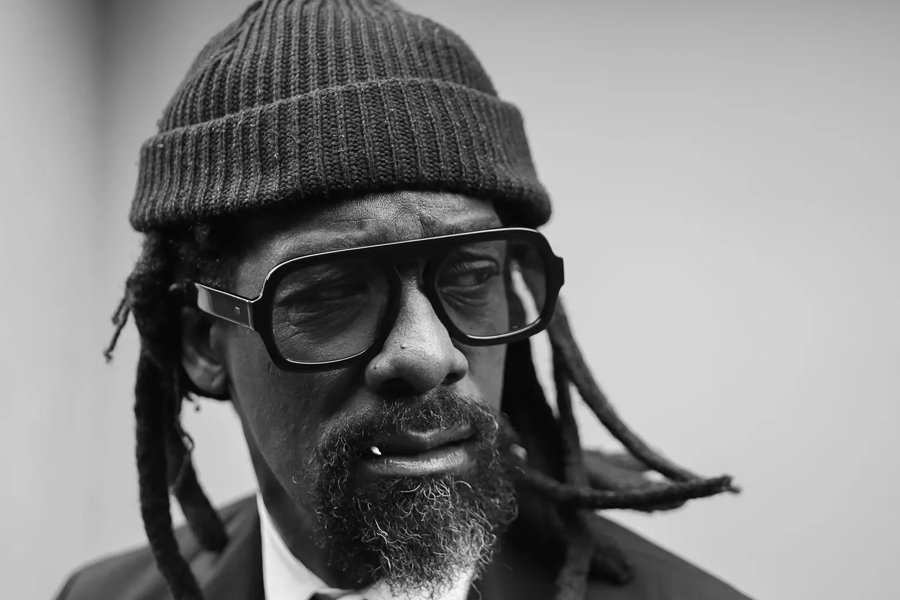
I have always been drawn to stories where art is not just a hobby but a language spoken at the dinner table. Shannon McCollum’s life is one of those stories. Born in Atlanta around 1970, he grew up in a household where imagery and style were not abstract concepts. His father was one of the few Black photographers at the Atlanta Journal-Constitution, covering everything from sports to the heartbeats of civic life. His mother had a flair for fashion and a curator’s eye. Together, they set a stage where aesthetics met discipline, and a young mind saw how pictures can hold a city’s memory.
Atlanta shaped him. Trains to school, the energy of neighborhoods, the rhythm of the South shifting into new cultural gears. As a teenager, Shannon picked up a camera not to stage perfection, but to catch truth midstride. That early curiosity turned into a calling.
Finding His Eye in a City on the Rise
The 1990s cracked open a new era for Atlanta. Hip-hop was blooming, and the city was becoming a magnet for talent and hustle. Shannon stepped from hobbyist to professional in that bloom. He worked part-time at Wolf Camera, developing film and sharpening instincts, then began selling his images and landing assignments. Local outlets gave him ink. National magazines took notice. Atlanta’s scene gave him stories that rarely sat still.
He captured faces that would become monoliths of the culture. Outkast in their ascent. Biggie Smalls in the Ready to Die era. Goodie Mob. Ludacris. TI. Future. Shannon didn’t chase spectacle. He hunted for the moment after the moment, the quiet breath before the noise.
The Craft: Journalistic Images that Breathe
Shannon’s style is journalistic, but it feels like empathy on paper. He cites influences like Annie Leibovitz and Gordon Parks, and you can see those threads in his work. Narratives over set pieces. Emotion over perfection. He avoids heavy staging. He moves with situations, waits for eyes to hold meaning, and lets environments do some of the talking.
What he shoots often hums with lived-in truth. Hotel rooms, green rooms, backstage corridors, sidewalks after midnight. Ordinary spaces telling extraordinary stories. It is the kind of photography that makes a city feel like a family album.
Tours, Magazines, and Milestones
From the 1990s onward, Shannon’s lens traveled far. He toured with artists, riding the currents of hip-hop and crossing into comedy and corporate circuits. The Anger Management tour touched his timeline, with headliners like Lil Jon, 50 Cent, and Eminem. He shot for XXL and Vibe. He made newspaper covers. He documented not just rappers, but executives, comedians, and public figures, including George Lopez and DL Hughley. Three decades later, he still finds new faces and fresh angles.
His portfolio is an atlas of cultural movement, proof that a freelance path can be both storied and stable. There are no public net worth figures attached to his name, and that suits the narrative. The work speaks for itself.
Forever I Love Atlanta: A Living Archive
In 2024, Shannon presented an exhibit titled Forever I Love Atlanta, showcasing more than three decades of images. It was not nostalgia. It was continuity. The show felt like opening a window on a city’s memory. Community is the backbone of his work, and the exhibit made that plain. Artists, venues, neighborhoods, moments that defined eras. They all found their way into frames that tell you what it felt like to be there.
He has a coffee table book in the works. He calls this his soft era. More travel. More leisure. A veteran eye taking in new scenery, still faithful to the roots that launched him.
Fatherhood in Focus: Venita, Miles, and Nina
Behind Shannon’s creative life is a family story bound by intention. He and his ex-wife, Venita, raised two children, son Miles Parks McCollum and daughter Nina. Miles would become the world-famous artist known as Lil Yachty. Nina would carve her own path in the digital creative space.
Shannon’s parenting style was rooted in exposure and trust. Weekly photoshoots built confidence. Museums and concerts became classrooms for the imagination. Industry spaces were demystified because the kids were invited in. He didn’t fence creativity. He guided it. He allowed Miles to dye his hair red in high school, with the simple requirement that grades stayed strong. He emphasized humility and citizenship. He believed in consistency and in setting an example.
Co-parenting after divorce is rarely easy, but he speaks about it as a practice of respect and teamwork. Travel together. Keep conversations honest. Put the child’s experience above pride. The approach prepared Miles for the spotlight and helped Nina find her own voice. Their home prioritized authenticity, and it shows.
The Ripple Effect of Support
Shannon’s connections in Atlanta paid off, but not because he chased favor. He invested in relationships. He introduced Miles to people who could help if the work was real. One introduction helped spark the breakout that included Broccoli with D.R.A.M., and later fashion and brand collaborations that lifted Miles from promising to ubiquitous. Shannon has shared stories about Miles paying off debts and gifting him a Porsche, gestures that speak to gratitude and the circle of support.
Family lore aside, the message is simple. Invest in your craft. Support your people. Keep your story honest. That ethos helped a father and son navigate fame without losing the plot.
Recent Mentions and a Soft Era
Lately, Shannon has been reflecting publicly on legacy, fatherhood, and Atlanta’s long arc. In interviews, he speaks about the city as both canvas and character. Social media has noticed his timeless look, with posts going viral and fans reacting with surprise and delight. He remains active, still shooting, still traveling, still arranging old frames into new narratives.
There is no scandal here. No tabloid churn. The headlines tilt toward appreciation and respect. Shannon presents himself as a photographer, a dad, a traveler, a champagne enthusiast, and an art lover. Same Camera Different Eye. The method evolves. The heart stays put.
FAQ
How did Shannon McCollum get started in photography?
He began as a teenager captivated by the power of images and rooted that curiosity in practice during the 1990s. Working at Wolf Camera helped him learn the technical side while assignments and Atlanta’s hip-hop scene gave him the stories. The city’s energy and his family’s artistic influence pushed him from hobbyist to professional.
What defines his photographic style?
Shannon favors a journalistic approach that prioritizes authenticity and emotion over staging. He seeks natural light, honest expressions, and environments that add context. Influences like Annie Leibovitz and Gordon Parks are present in his commitment to storytelling through unvarnished moments.
Which artists and figures has he photographed?
His archive includes Outkast, Biggie Smalls, Goodie Mob, Ludacris, TI, Future, and tours touching acts like Lil Jon and Eminem. He has also photographed comedians such as George Lopez and DL Hughley, along with corporate figures and community leaders. The range underscores a career built on trust and adaptability.
What is the story behind his family life?
Shannon and his ex-wife Venita raised Miles and Nina with values and creativity. They co-parented, traveled, and maintained family relationships after divorce. The unit is tight and supports independent pathways.
How did he influence Lil Yachty’s career?
Shannon introduced Miles to industry spaces early and modeled consistency and work ethic. He connected him with people who could amplify his talent, including figures who helped catalyze early breakthroughs. He backed his son’s self-expression while holding firm on education and character, which helped Miles navigate fame with intention.
What is Forever I Love Atlanta and why does it matter?
Forever I Love Atlanta is Shannon’s 2024 exhibit highlighting more than 30 years of images that document the city’s cultural evolution. It matters because it treats Atlanta’s hip-hop and community life as an archive worth preserving. The show positions Shannon not just as a photographer, but as a steward of memory.
Is there any information about his net worth?
There are no public net worth figures available. Shannon’s career spans decades of commercial work, tours, exhibits, and editorial contributions, which suggests stability built on professional reliability and creative versatility.
What is he working on now?
He is developing a coffee table book that will organize and elevate his archive, while continuing to shoot, travel, and share insights about fatherhood, art, and Atlanta. He describes this phase as his soft era, focused on balance and reflection alongside ongoing creative work.